
Mr Green in Trinidad and Tobago: scam or legit?
What the evidence can and cannot show
The short answer is cautious: the available packet does not establish that Mr Green is a scam, but it also does not establish that the service is locally licensed or legally available to players in Trinidad and Tobago. The signal is therefore amber, based on open evidence rather than a current local approval or an official adverse finding.
The exact web address supplied for review is mrgreen.com. An operator page exists at that address, but the page itself does not prove which legal entity would accept a Trinidad and Tobago customer, which licence would govern that account, whether local play is permitted, or whether a payment and withdrawal would succeed. The supplied operator description also says that the Mr Green group entity varies by jurisdiction.
No account was opened, no deposit was made, no withdrawal was requested, and no identity check was completed for this review. Those missing tests matter. A neat sign-in page, a familiar name, or a public review score cannot substitute for a current primary record matching the precise website, legal entity, customer market and licence.

| Question | What is supported | What remains open |
|---|---|---|
| Is the domain real? | The supplied operator record identifies mrgreen.com as the service domain. | Domain ownership, account entity and local acceptance are not proved by that fact alone. |
| Is it licensed in Trinidad and Tobago? | No current primary Trinidad and Tobago record matching this domain and operator was verified. | A local online licence cannot be claimed. |
| Is it a scam? | No official adverse finding was supplied. | No independent account, payment or withdrawal test was performed. |
| Is it legal for local play? | The local regulatory position requires caution. | The packet does not establish permission for this exact service and customer location. |
Primary evidence and the local legal position
The strongest local evidence is the Gambling Control Commission of Trinidad and Tobago material checked on 24 August 2026. Its stated position is that online betting is not presently contemplated and that further guidance will follow. That is not the same as a finding that this particular operator committed an offence, and it is not a licence for the service. It does mean that a customer should not treat an overseas registration as a substitute for local permission.
The official parliamentary publication identifies Act No. 8 of 2021 and provides an official download entry. It is useful legal context, but the supplied record does not say that the Act grants this domain an online casino licence. The safe conclusion is narrower: local law and regulatory guidance must be checked against the exact activity, customer location and operator entity.
For the Commission’s current wording, consult the official online-betting FAQ once. The link is provided as a primary evidence reference, not as proof that the service is approved.
A separate official parliamentary publication for Act No. 8 of 2021 supplies the legislative reference. It should not be read as an operator licence record. If a registration, certificate or licence is shown during account creation, compare its holder, number, jurisdiction, website and expiry date with the exact terms offered to a Trinidad and Tobago customer.
| Evidence layer | Finding | Weight for a local decision |
|---|---|---|
| Local primary record | No current matching T&T licence record was supplied. | High importance; the central gap remains unresolved. |
| Local regulator guidance | Online betting is described as not presently contemplated, with further guidance to follow. | High importance; supports caution, not a specific misconduct finding. |
| Legislative context | Act No. 8 of 2021 is listed by Parliament. | Useful context, but not proof of permission for this service. |
| Operator material | The exact domain presents the service. | Limited; self-presentation does not prove legal identity or local availability. |
| User material | A review page contains availability and user-report context. | Low for legality; allegations and ratings are not proof. |
Domain, operator and licence matching
A clone check should begin with the address, not the logo. Type the domain yourself, inspect the spelling, and avoid links from unsolicited messages. A copied colour scheme or familiar brand name is not enough. The supplied capture of the independent review page is contextual only; it does not authenticate a payment account or confirm that every report concerns the same entity.
Next, find the legal operator in the service’s terms, registration screen or responsible-gambling information. The packet does not provide a single fixed legal name: it records that the Mr Green group entity varies by jurisdiction. That variation is important. A group brand can operate through different companies, licences and contractual terms in different markets.
Then compare four items: the legal name, the licence issuer, the licence number and the domain covered. Also check whether the document is current and whether it covers casino activity rather than another form of gambling. A foreign licence may explain how an overseas service is regulated in its own jurisdiction, but it does not prove a Trinidad and Tobago online licence.
Do not send identity documents to a supposed support address merely because its design resembles the service. Use the address and contact route shown inside the account’s verified terms, and stop if the page changes domains, requests an unusual fee, or pressures you to bypass normal checks.
What is unknown about payments and withdrawals
No payment method, processing time, minimum deposit, withdrawal limit or successful cash-out was verified in the packet. It would therefore be unsafe to promise that a Trinidad and Tobago card, bank transfer or wallet will work. Availability can depend on the customer’s location, the account entity, the payment provider, currency controls, fraud screening and the terms applying at the time of the transaction.
The Central Bank publication provides local payment-system terminology, not a finding that this operator accepts any particular method. For background, use the Central Bank payment-system publication once. It does not confirm compatibility, approval or successful settlement for this casino.
| Payment question | Verified answer | Practical implication |
|---|---|---|
| Which local card works? | None was tested or confirmed. | Do not deposit on the assumption that a card will be accepted. |
| Which currency is used? | Not supplied. | Check conversion, fees and the contracting entity before funding. |
| How long is a withdrawal? | No withdrawal test exists. | Any advertised timing remains unverified for local play. |
| Can a payment be reversed? | Not established. | Keep transaction records and ask the provider about dispute options before depositing. |
| Is a fee required to release winnings? | No evidence supports such a fee. | Treat an unexpected release payment as a serious warning sign. |
If a withdrawal is attempted, preserve the request time, status, messages, transaction reference and any requested documents. Never create extra accounts to work around a restriction. Multiple accounts, mismatched names and third-party payment instruments can trigger checks, but the packet contains no account-specific finding about this service.
Identity checks and account controls
Know-your-customer requirements are unknown here. The service may request identity, address, payment ownership or source-of-funds information, but no current terms or completed verification record was supplied. Do not interpret a request for documents as proof of fraud by itself; regulated services commonly perform checks. Conversely, a document request is not proof that the recipient is authorised to serve a local customer.
Before submitting anything, confirm the exact domain, the named legal entity, the purpose of the request and the secure upload route. Never send a password, one-time code or full card security details by ordinary message. Use a payment method in your own name and retain a copy of the terms accepted at registration.
A responsible decision also includes setting a firm spending limit, avoiding borrowed money and stopping if the service creates pressure to deposit more. An account that is difficult to close, refuses a clear explanation, or changes its conditions after payment deserves escalation rather than further deposits.
Complaint route and scam warnings
There is no verified local complaint outcome in the packet and no account-specific support response to assess. Start with a written complaint to the service using the support route shown in its own verified account or terms. State the account identifier, dates, amount, requested remedy and a clear deadline. Do not include unnecessary personal documents.
If the answer is incomplete, preserve the correspondence and payment evidence. A local regulator or consumer body may be able to explain jurisdiction, but the packet does not establish that a Trinidad and Tobago authority can order an overseas operator to refund a customer. A bank or payment provider may have its own fraud or transaction-dispute route; ask about deadlines rather than assuming a chargeback will succeed.
The independent review page is useful only as user context. It may contain allegations, ratings or reports that are sparse, unverified, outdated or unrelated to local play. The supplied capture is included to show that context, not to prove any complaint.
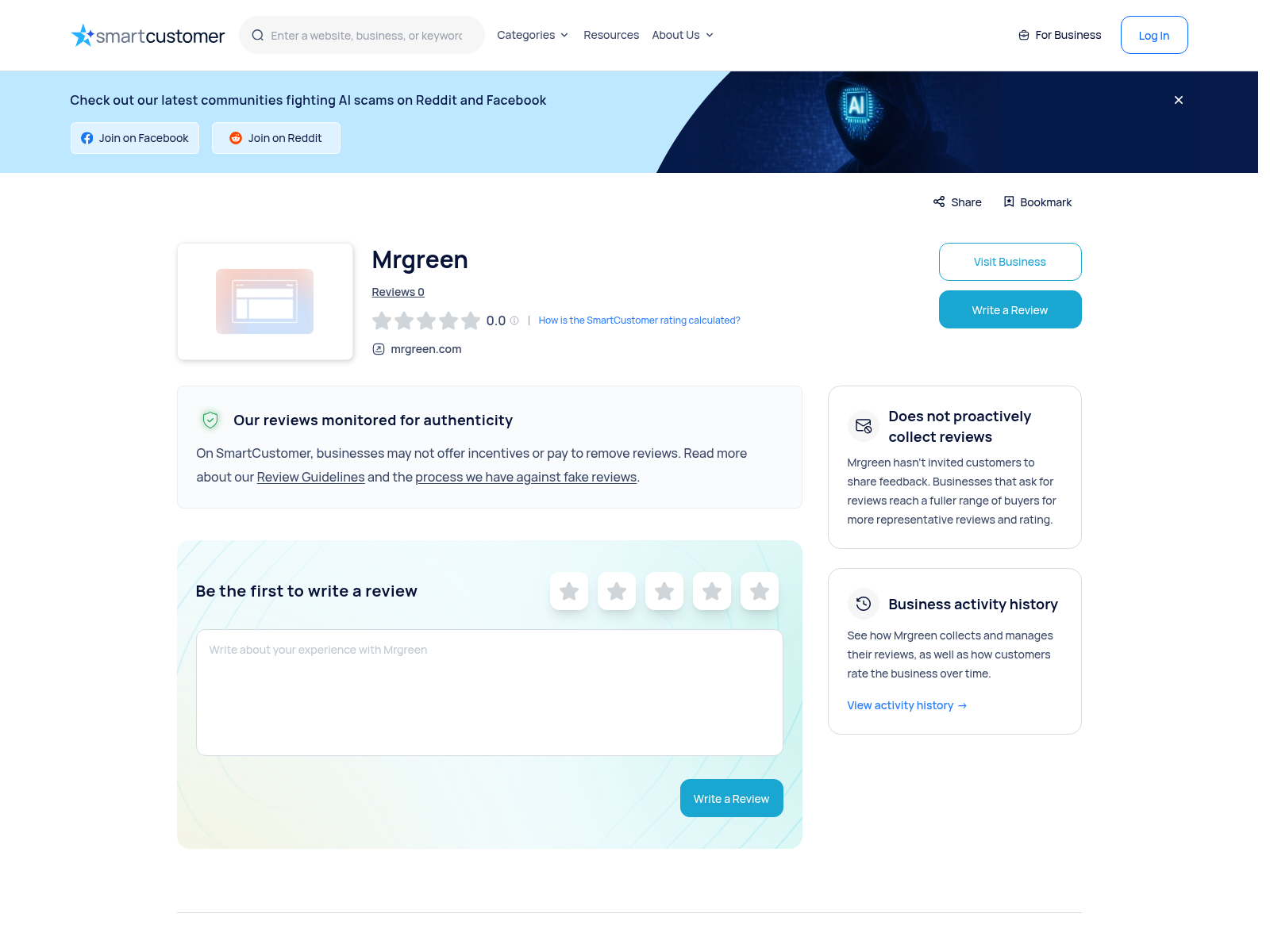
Warning signs include a look-alike domain, a request to pay a release fee, support that moves to an unrelated address, pressure to conceal location, promises of guaranteed winnings, unexplained account changes, or a demand for credentials. None of these specific events was verified here; they are checks for a customer to apply before proceeding.
Evidence chronology and review method
The evidence was checked on 24 August 2026. The chronology is deliberately limited. First, the local Commission material supplied the current online-betting position. Second, the parliamentary entry supplied legislative context. Third, the exact domain was recorded as presenting the service, while the packet expressly limited what that operator material could prove. Fourth, the independent review page was treated as user context rather than primary evidence. Finally, the Central Bank publication was used only for local payment-system terminology.
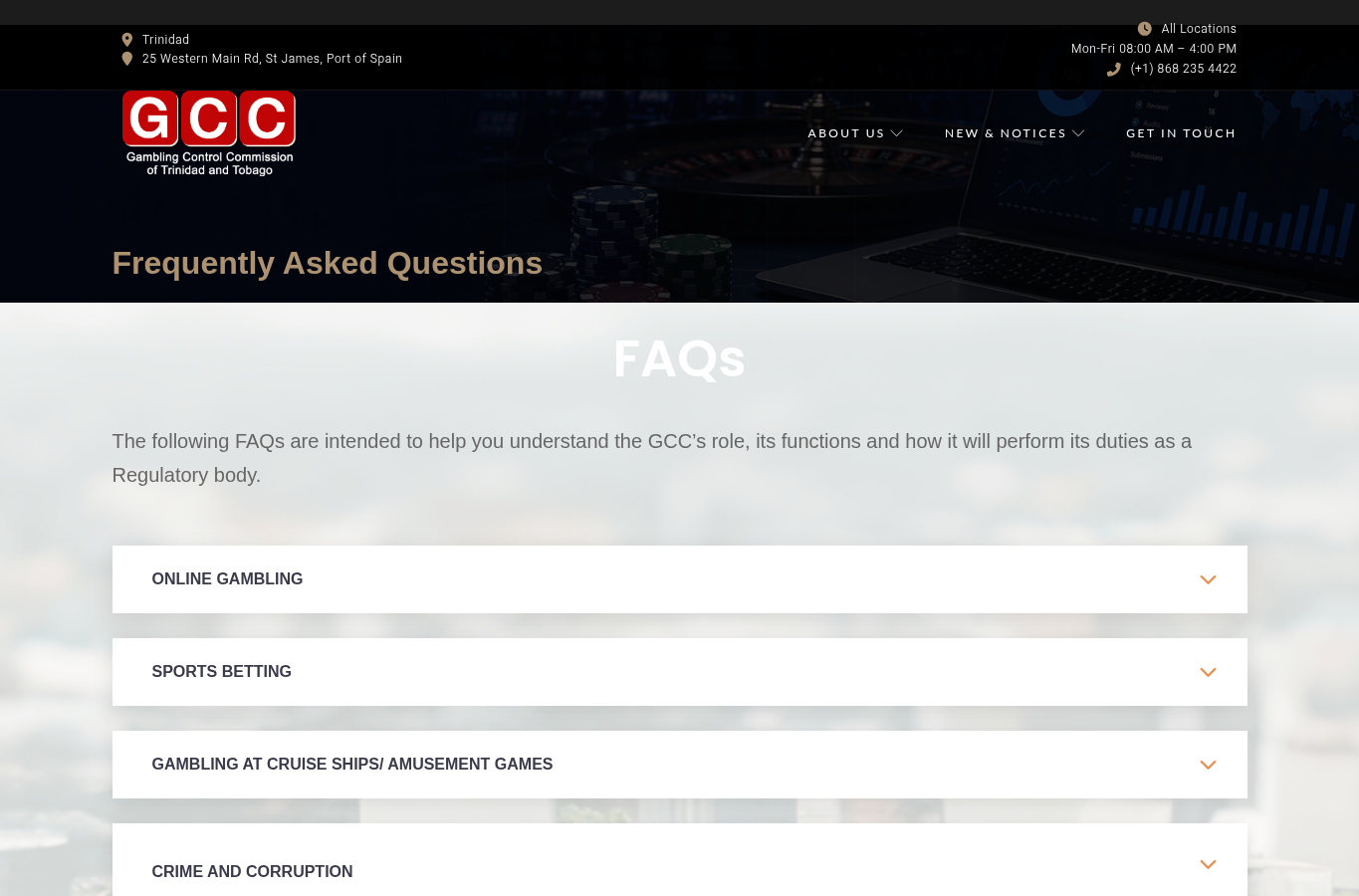
The method separates primary records, operator statements and user reports. A green signal requires current primary evidence matching the precise domain and entity. A red signal requires an official adverse record or corroborated documented evidence. Neither threshold is met. Amber reflects the unresolved local licence and identity questions, the jurisdictional limits of foreign material, and the absence of a payment or withdrawal test.
This approach avoids turning a brand page into a licence finding or turning a user allegation into an established fact. It also avoids claiming that an unknown payment route works, that a withdrawal was completed, or that a complaint was upheld.
Decision checklist before any deposit
| Check | Acceptable evidence | Stop condition |
|---|---|---|
| Address | The spelling is exact and reached independently. | Redirects, extra words, or an unsolicited shortened link. |
| Contracting entity | A named company and jurisdiction appear in current terms. | No legal name, inconsistent names, or unexplained changes. |
| Licence | Issuer, number, status and covered domain can be checked in a primary register. | Only a logo, undated badge or foreign claim is shown. |
| Local position | Current Trinidad and Tobago guidance is understood. | The service cannot explain whether local customers are accepted lawfully. |
| Funding | The payment method is yours and fees are clear. | Pressure, third-party funding or a release payment is requested. |
| Exit | Withdrawal rules and complaint steps are saved before deposit. | No clear cash-out process or support route exists. |
On the present record, the prudent consumer conclusion is to leave the decision open rather than call the service safe or fraudulent. If you proceed despite the uncertainty, use only money you can afford to lose, keep records, and do not treat a successful deposit as proof of legality.
Alternatives and safer next steps
A comparison should begin with evidence quality, not promotional claims. Check each alternative for the same five points: exact domain, contracting entity, applicable licence, local legal position and withdrawal evidence. A different brand is not automatically safer merely because it is familiar.
You can compare other reviewed operators through the casino directory, or read the licence and law guide before deciding. For payment-specific questions, see payment information. If something appears deceptive, use the complaints and scam warnings guide. These internal resources do not replace advice from a competent local authority or financial provider.
If the service’s current terms clearly identify a regulated entity and a permitted customer market, record those details and re-check them before funding. If they do not, the unresolved evidence is itself a reason to wait. For a cautious next step, see the Use the disclosed route only after completing the checks above.
Frequently asked questions
Is Mr Green a scam or legit in Trinidad and Tobago?
The available evidence does not establish that Mr Green is a scam, but it also does not verify a current Trinidad and Tobago licence or a successful local payment and withdrawal. The appropriate signal is amber, so treat the service as unverified for local play rather than as proven safe or proven fraudulent.
Is Mr Green legal in Trinidad and Tobago?
The packet does not establish that the exact domain and operator are legally authorised to provide online casino play in Trinidad and Tobago. Local Commission material says online betting is not presently contemplated and that further guidance will follow. Foreign registration material, even if shown elsewhere, would not by itself prove local permission.
Which company operates Mr Green?
The supplied evidence says that the Mr Green group entity varies by jurisdiction. No single contracting company for a Trinidad and Tobago customer was verified. Check the current terms, legal notices and licence record for the exact account before relying on any operator name.
Can I deposit and withdraw with a Trinidad and Tobago payment method?
That was not tested. No particular local card, bank transfer, wallet, currency, fee or withdrawal time was verified. Confirm availability and conditions before depositing, and keep transaction references and copies of the accepted terms.
Will Mr Green ask for KYC documents?
KYC requirements were not verified for this customer market. The service may request identity or payment-ownership documents, but no account test was performed. Confirm the legal entity and secure upload route first, and never provide passwords or one-time codes.
Where can I complain about a problem?
Begin with a written complaint to the service using the support route in its verified terms or account. Keep messages, dates and payment records. Contact your bank or payment provider promptly about transaction concerns, and seek local regulatory or consumer guidance about jurisdiction and available remedies.
How can I check for a Mr Green clone?
Type the exact domain independently, compare the legal name and licence details, and check that the domain is covered by the relevant primary register. Do not trust a logo alone. Stop if the address changes, support uses an unrelated domain, or anyone requests a release fee or your security credentials.
Correction path
This assessment should change if a dated primary record directly matches mrgreen.com, the contracting entity, the Trinidad and Tobago market and a current applicable licence, or if a competent authority publishes an adverse finding. A completed, documented payment or withdrawal test could add service evidence, but it would not by itself settle local legality. Send corrections with the source, date, exact claim and supporting record through contact; unsupported ratings, copied claims and anonymous assertions are not enough to change the signal.
Trinidad and Tobago Police Service
WiPay Trinidad and Tobago